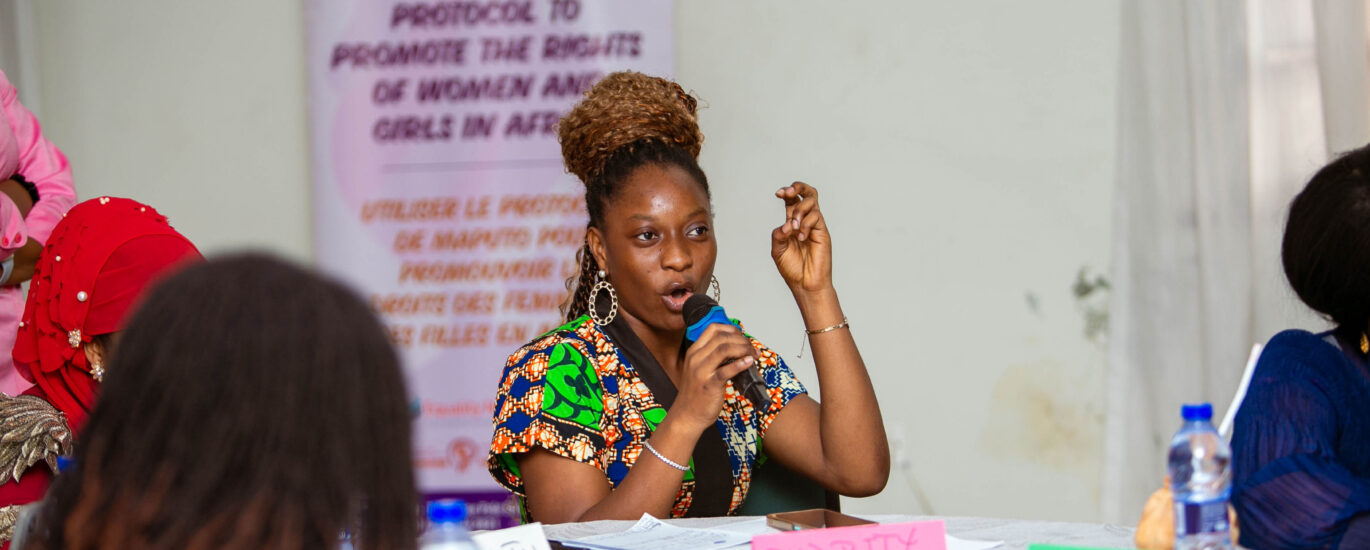
General Comment No. 6 on Article 7(d) of the Maputo Protocol is a landmark regional human rights tool for advancing women’s property rights in Africa, particularly during separation, divorce, or annulment of marriage.
For the Initiative for Gender Equality and Development in Africa (IGED-Africa), General Comment No. 6 represents an important milestone in the long struggle to ensure that women’s contributions within marriage are recognized, valued, and protected under the law.
Across Africa, many women continue to lose access to homes, land, savings, businesses, and other property when marriages end. In many cases, property acquired during marriage is registered in the name of one spouse, often the husband, while women’s contributions are treated as secondary or invisible. This is especially common where women’s labour takes the form of unpaid care work, childcare, farming, household management, emotional support, or support for a spouse’s career or business.
Article 7(d) of the Maputo Protocol, formally known as the Protocol to the African Charter on Human and Peoples’ Rights on the Rights of Women in Africa, addresses the equitable sharing of joint property during separation, divorce, or annulment of marriage. However, questions have often remained about what equitable sharing means in practice and how courts, governments, and communities should recognize different forms of contribution.
General Comment No. 6 helps clarify these questions. It provides guidance to African states on how to interpret and implement Article 7(d), emphasizing that property distribution must be fair, just, and consistent with the principle of substantive equality.
A central contribution of General Comment No. 6 is its recognition that non-monetary contributions matter. Women’s unpaid domestic work, caregiving, farming, household management, and other forms of support contribute to the accumulation, maintenance, and development of family property. These contributions must be considered when property is divided.
IGED-Africa played an important role in advocacy around the development and adoption of General Comment No. 6, working with partners and the African Commission on Human and Peoples’ Rights (ACHPR) to advance women’s land and property rights in Africa. This work formed part of IGED-Africa’s broader commitment to connecting community realities with regional and international human rights standards.
The adoption of General Comment No. 6 marked an important step forward for women’s rights. It strengthened the legal and advocacy basis for recognizing women’s full contributions within marriage and for holding states accountable to protect women’s property rights.
For women, advocates, legal practitioners, policymakers, and civil society organizations, General Comment No. 6 is more than a technical legal document. It is a practical tool for public education, legal reform, litigation, policy advocacy, and community awareness.
It supports efforts to ensure that women are not left economically vulnerable when marriages end simply because their contributions were unpaid, undocumented, or not reflected on property titles.
Through its continued work on women’s property and inheritance rights, IGED-Africa promotes awareness and application of General Comment No. 6 as part of the broader fight for gender equality, economic justice, and human rights across Africa.