Understanding Article 2 of the Maputo Protocol: From Equality in Law to Equality in Practice
The Maputo Protocol is one of Africa’s most important regional instruments for protecting the rights of women and girls. The

The Maputo Protocol is one of Africa’s most important regional instruments for protecting the rights of women and girls. The
The Initiative for Gender Equality and Development in Africa (IGED-Africa) is a women-led, Ghanaian-registered non-governmental organization with a regional focus on advancing gender equality, human rights, and inclusive development across Africa.
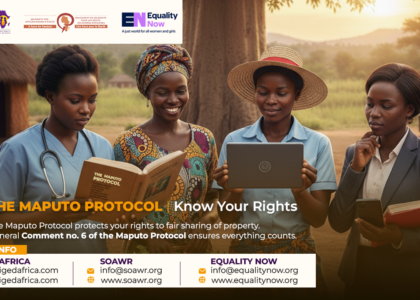
IGED-Africa has developed a simplified toolkit to help women, advocates, legal practitioners, policymakers, and communities understand General Comment No. 6 on Article 7(d) of the Maputo Protocol, with a focus on recognizing both monetary and non-monetary contributions in marriage.
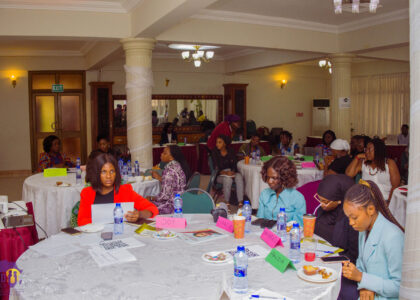
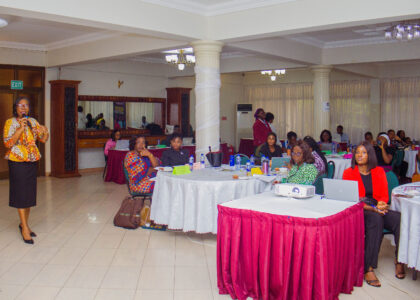
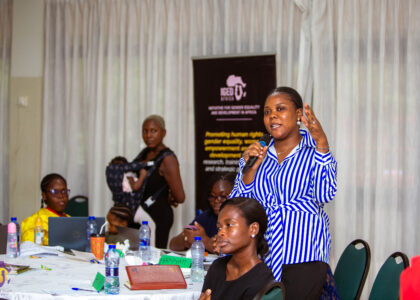
At an IGED-Africa training workshop in Accra, legal experts, gender advocates, and human rights practitioners urged young women to understand the legal protections available to them under Ghanaian law, the Maputo Protocol, and General Comment No. 6.
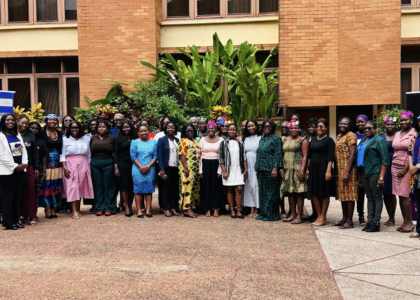
IGED-Africa has renewed calls for stronger public education and legal reform on spousal property rights in Ghana, following a recent training workshop focused on the Maputo Protocol, General Comment No. 6, and the urgent need to protect women’s economic security in marriage, divorce, and inheritance matters.

The Gender and Development Programme is a core strategic programme of the Initiative for Gender Equality and Development in Africa (IGED-Africa) dedicated to advancing gender equality and promoting inclusive, sustainable development across Africa.
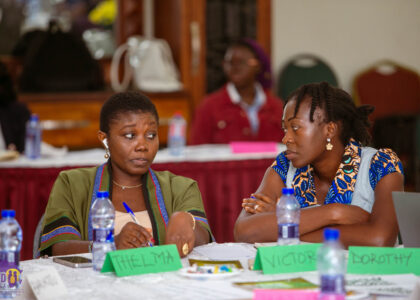
The African Commission on Human and Peoples’ Rights provides important advocacy spaces that civil society organizations can use to promote women’s rights, influence policy, strengthen accountability, and connect community realities with regional human rights standards.
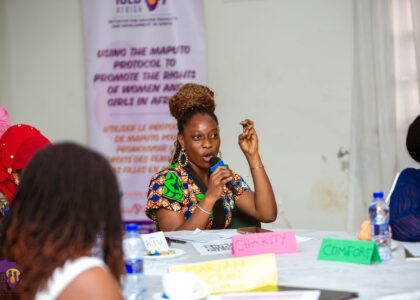
General Comment No. 6 on Article 7(d) of the Maputo Protocol is a landmark regional human rights tool for advancing women’s property rights in Africa, particularly during separation, divorce, or annulment of marriage.

Resolution 262 of the African Commission on Human and Peoples’ Rights is an important regional instrument for advancing women’s rights to land and productive resources in Africa.
Human rights mechanisms provide important spaces for civil society organizations, advocates, and communities to bring attention to rights violations, influence policy change, and hold states accountable to their obligations. For IGED-Africa, these mechanisms are especially important in advancing women’s land, property, inheritance, and economic rights across Africa.