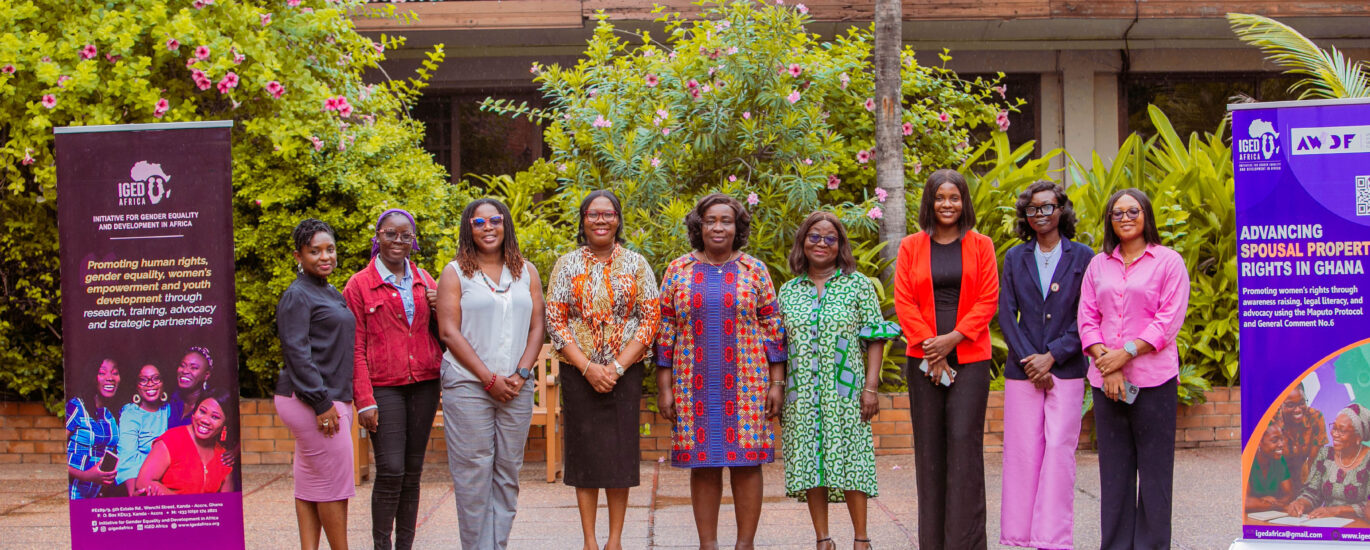
Building Partnerships for Gender Equality, Human Rights, and Inclusive Development
Partnership is central to the work of the Initiative for Gender Equality and Development in Africa (IGED-Africa). Across its programmes and advocacy initiatives, IGED-Africa works with civil society organizations, regional and international human rights institutions, research and academic bodies, development partners, legal empowerment networks, community organizations, and women’s rights movements to advance gender equality and human rights across Africa.
IGED-Africa recognizes that sustainable change requires collaboration across sectors and levels. The organization connects grassroots realities with national, regional, and international advocacy spaces, ensuring that the experiences of women, girls, and marginalized communities inform policy dialogue, legal reform, and institutional action.
Over the years, IGED-Africa has established partnerships and working relationships with organizations and networks committed to women’s rights, land and property rights, legal empowerment, social justice, and inclusive development.
Our Partners
IGED-Africa has worked with and engaged a range of partners, including:
- African Commission on Human and Peoples’ Rights
- Centre for Human Rights, University of Pretoria
- Global Initiative for Economic, Social and Cultural Rights
- Centre for Economic, Social and Cultural Rights in Africa
- Kenya Human Rights Commission
- FIDA-Kenya
- FIDA-Ghana
- FIDA-Gambia
- Global Partners
- REHUD Africa
- ECOWAS
- African Union
- Namati Legal Empowerment Network
- Economic, Social and Cultural Rights Network
- Equality Now
- The SOAWR Coalition
- African Family Law Network
- Ghana Federation of the Urban Poor

Coalitions and Networks
IGED-Africa is connected to regional and global coalitions that strengthen advocacy, knowledge sharing, and collective action for gender equality and human rights.
The SOAWR Coalition
The Solidarity for African Women’s Rights Coalition (SOAWR) is a regional coalition of civil society organizations working across Africa to promote the ratification, domestication, and implementation of the Maputo Protocol. Through coalition-based advocacy, SOAWR supports efforts to strengthen women’s rights protections across the continent.
Economic, Social and Cultural Rights Network
The Economic, Social and Cultural Rights Network (ESCR-Net) brings together human rights organizations, social movements, and advocates working globally to advance economic, social, and cultural rights. Through this network, organizations collaborate to strengthen social justice, accountability, and rights-based development.
Namati Legal Empowerment Network
The Namati Legal Empowerment Network brings together organizations and individuals working to advance grassroots justice. Its members support communities to understand, use, and shape the law in pursuit of justice and accountability.
Ghana Federation of the Urban Poor
The Ghana Federation of the Urban Poor (GHAFUP) is a network of community savings groups in informal settlements and low-income communities in Ghana. Its work highlights the importance of community leadership, women’s knowledge, local organizing, and inclusive approaches to development.
Partnership in Practice
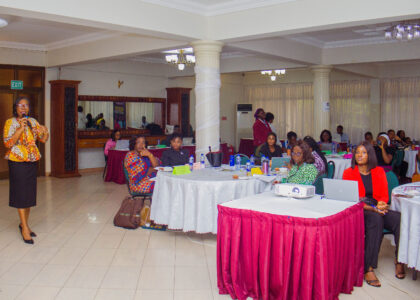
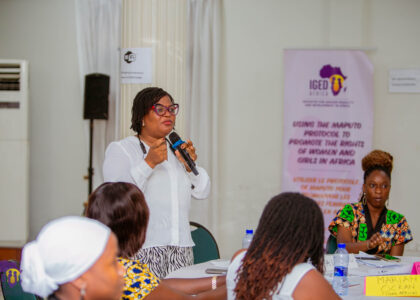
Through its partnerships, IGED-Africa has contributed to advocacy on women’s land, property, and inheritance rights; engagement with regional and international human rights mechanisms; capacity building for women’s rights organizations; policy dialogue; public education; and the development of advocacy tools and resources.
These partnerships have supported IGED-Africa’s work with institutions such as the African Commission on Human and Peoples’ Rights, as well as advocacy around key regional instruments including the Maputo Protocol, Resolution 262 on the Rights of Women to Land and Productive Resources, and General Comment No. 6 on Article 7(d).
By working through strong partnerships and networks, IGED-Africa continues to help build collective momentum toward an Africa where gender equality, human rights, justice, and inclusive development are fully realized.