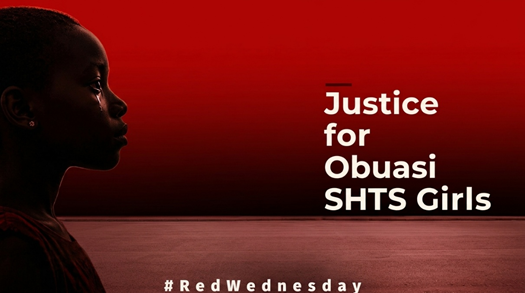
The Initiative for Gender Equality and Development in Africa (IGED-Arica) expresses grave concern over allegations of sexual misconduct and rape involving female students of Obuasi Senior High Technical School and the school’s headmaster. The matter raises urgent questions about the protection of girls in educational institutions, the abuse of authority, the handling of complaints and the effectiveness of institutional safeguarding mechanisms
While investigations remain ongoing and the allegations must be determined through due process, the gravity of the reported concerns demands a response that goes beyond administrative measures and public condemnation. It requires a rigorous examination of the alleged conduct, the institutional response to concerns raised, and the systems responsible for ensuring that schools remain safe spaces for learning.
The protection of girls cannot depend on public exposure, media attention or the willingness of individuals to challenge those in positions of authority. It must be an institutional obligation, consistently enforced and demonstrably upheld.
Sexual Violence and the Abuse of Power
The allegations emerging from Obuasi expose a fundamental concern at the intersection of power, gender, institutional responsibility and the safety of girls within educational spaces.
Teachers and school administrators occupy positions of trust and responsibility. Students are entitled to expect that this authority will be exercised in their educational and developmental interests, not exploited in ways that compromise their safety, dignity or bodily autonomy.
Where sexual misconduct is alleged within such a relationship, the power imbalance demands particular attention. Students may face barriers to reporting abuse because of fear, stigma, concerns about their education, perceived authority of the person implicated or uncertainty about whether their complaints will be taken seriously.
These barriers are not incidental to safeguarding. They are precisely the conditions that effective prevention and reporting systems must anticipate and address.
Sexual violence must not be reduced to an individual’s alleged behaviour without examining the environment in which the conduct is reported to have occurred. Institutions must be able to identify risks, provide safe channels for disclosure, respond promptly to complaints and protect students from retaliation or further harm.
IGED-Africa unequivocally rejects victim-blaming and any attempt to shift responsibility for alleged sexual misconduct onto the girls concerned. No student’s behaviour, circumstances or perceived vulnerability can justify sexual exploitation or absolve an institution of its safeguarding responsibilities.
Institutional Responsibility and Accountability
A central question in the Obuasi case is whether the systems established to protect students functioned as they should. This requires scrutiny not only of the allegations against the individual implicated, but also of how relevant authorities received, assessed and responded to information concerning possible abuse.
The Ghana Education Service’s decision to direct the Ashanti Regional Director of Education and the Obuasi East Municipal Director of Education to step aside while investigations continue underscores the importance of examining institutional conduct and ensuring that inquiries proceed without actual or perceived interference.
IGED-Africa considers it essential that the investigation establish what relevant officials knew, when they became aware of the concerns, what steps they took, whether established safeguarding procedures were followed and whether any failures or omissions placed students at risk.
Public reporting has also highlighted an earlier inquiry into the school’s August disturbances, which did not substantiate the allegations examined by that committee. Those findings must be distinguished from the newer allegations and the investigations now underway. Neither an earlier administrative finding nor a subsequent administrative measure should be misrepresented as a final determination of the matters currently under investigation.
Accountability must be evidence-based and impartial. Institutional rank, professional standing or administrative authority must not shield anyone from legitimate scrutiny. Equally, allegations must be investigated fairly, without prejudging individual culpability.
Administrative action is not a substitute for a thorough investigation, and an investigation is not complete merely because an institution has taken an initial disciplinary step.
Protecting Girls’ Rights and Dignity
The right to education extends beyond enrolment, attendance and academic achievement. It includes the right to learn in an environment where students are protected from sexual violence, harassment, intimidation and exploitation.
When girls cannot confidently report abuse or trust the systems responsible for their protection, the consequences extend beyond the immediate allegations. Fear, stigma and the risk of retaliation may undermine their educational participation, psychological well-being and confidence in public institutions.
The response must therefore place the safety, dignity and best interests of affected students at its centre. This includes access to appropriate psychosocial, medical and legal support, confidential and child-sensitive reporting channels, and safeguards against intimidation or retaliation.
The identities and privacy of affected students must be protected. Media organisations, public officials, civil society and members of the public must avoid publishing identifying information or circulating material that could expose them to further harm.
Girls must not be made to bear the burden of protecting an institution’s reputation, proving their worthiness of support or navigating an intimidating reporting process without assistance.
Their protection must be treated as an obligation, not an act of goodwill.
From Gender Equality Commitments to Institutional Action
Ghana’s commitment to gender equality must be reflected in the practical protection of girls within schools and other public institutions. Policies and codes of conduct are necessary, but their existence alone does not guarantee safety.
Effective safeguarding requires clear responsibilities, accessible reporting channels, timely referrals, appropriate risk assessments, independent oversight and consequences where misconduct or institutional negligence is established.
It also requires institutions to learn from warning signs and previous cases. Where complaints are mishandled, investigations are inadequate or administrative decisions fail to address risks, the response must include corrective action capable of preventing recurrence.
The Obuasi case should therefore prompt a wider examination of how sexual misconduct allegations involving teachers and school authorities are handled across the education system. This review should assess whether existing reporting procedures are accessible to students, whether complaints are documented and referred appropriately, and whether administrative responses protect students while investigations proceed.
A safeguarding system must be judged not by the policies it publishes, but by whether students can use it safely, whether authorities act when concerns emerge and whether its failures are identified and corrected.
IGED-Africa calls for decisive action
In light of these concerns, IGED-Arica calls on the Ghana Education Service, the Ministry of Education, law enforcement authorities and all relevant stakeholders to take the following actions:
1. Ensure thorough, independent, impartial and timely investigation
The allegations must be investigated in accordance with the law, with all relevant evidence examined and appropriate action taken based on the findings. The distinct allegations and complaints must be assessed on their own evidence, without conflating separate inquiries.
2. Examine institutional conduct and decision-making
The handling of previous complaints and the actions or omissions of relevant officials must be scrutinised. Where failures to follow safeguarding procedures or other misconduct are established, appropriate consequences and corrective measures must follow.
3. Guarantee protection and support for affected students
Appropriate measures must prevent intimidation, retaliation and further exposure to harm. Affected students must have access to confidential reporting, psychosocial support and appropriate medical and legal assistance without discrimination or unnecessary disruption to their education.
4. Strengthen safeguarding and reporting mechanisms in schools
The Ghana Education Service must ensure that every school has accessible, confidential and child-sensitive reporting procedures, clear protocols for responding to complaints, and established pathways for referring suspected criminal conduct to law enforcement authorities.
5. Conduct a broader review of sexual misconduct complaints in educational institutions
Relevant authorities should undertake a systematic review of how complaints involving teachers and school administrators have been handled, particularly where cases resulted in transfers, suspensions or other administrative outcomes without transparent explanations of the safeguarding measures taken. The review should identify systemic gaps and inform enforceable reforms.
6. Strengthen independent oversight and public accountability
Relevant authorities must provide appropriate updates on the progress of investigations and safeguarding reforms, while protecting students’ privacy and respecting due process. Oversight mechanisms must be capable of identifying institutional failures and ensuring that recommendations are implemented.
7. Invest in prevention and institutional culture change
Safeguarding must be integrated into school leadership, staff training, student education and oversight. Students must understand their rights and know where to seek help, while teachers and administrators must be held to clear professional standards.
These measures must be implemented in practice, monitored consistently and supported by adequate institutional commitment and resources.
Protecting Girls Must Be an Institutional Imperative
The allegations involving Obuasi Senior High Technical School are a serious reminder that gender equality cannot be measured solely by policy commitments, public declarations or girls’ access to education. It must also be measured by whether girls are safe, whether their concerns are taken seriously and whether institutions act effectively when their rights may have been violated.
IGED-Africa stands in solidarity with the students affected by these allegations and with all survivors of sexual violence whose experiences have been ignored, dismissed or inadequately addressed. We call on the relevant authorities to pursue the investigations diligently, protect the dignity and rights of affected students, and ensure that any established wrongdoing or institutional failure is met with appropriate accountability.
The responsibility to protect girls cannot be discharged through statements of concern alone. It requires functioning systems, responsible leadership, transparent procedures and the willingness to confront failures wherever they occur.
A school cannot fulfil its educational mandate if the safety and dignity of its students are not protected. Justice requires more than responding to allegations; it requires institutions that prevent abuse, act on warning signs and ensure accountability when protection fails.
Girls have a right to safety, dignity, justice and an education free from sexual violence. These rights must be protected in practice.
IGED-Africa
Advancing gender equality. Defending women’s and girls’ rights. Demanding accountability.