The Initiative for Gender Equality and Development in Africa (IGED-Africa) works at national, regional, and international levels to advance gender equality, human rights, women’s empowerment, and inclusive development across Africa. A key part of this work is engaging regional and international human rights mechanisms to strengthen legal protections, policy reform, accountability, and advocacy for women’s rights.
Human rights mechanisms provide important spaces for civil society organizations, advocates, and communities to bring attention to rights violations, influence policy change, and hold states accountable to their obligations. For IGED-Africa, these mechanisms are especially important in advancing women’s land, property, inheritance, and economic rights across Africa.
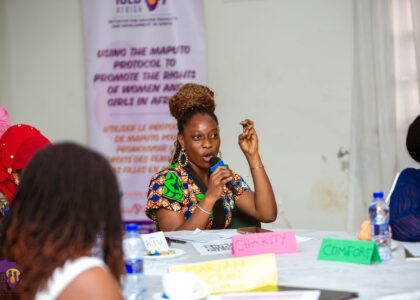
Since 2013, IGED-Africa has worked closely with the African Commission on Human and Peoples’ Rights (ACHPR) in The Gambia. In collaboration with partners from Africa and beyond, IGED-Africa has advocated for women’s rights to land and productive resources under the Protocol to the African Charter on Human and Peoples’ Rights on the Rights of Women in Africa, commonly known as the Maputo Protocol.
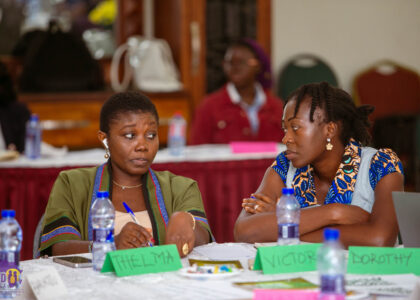
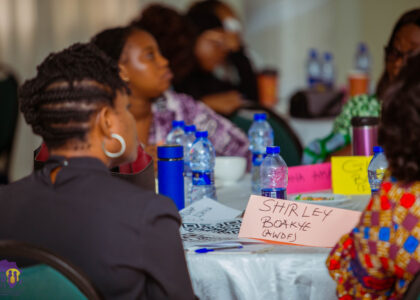
Through its engagement with the ACHPR, IGED-Africa has participated in advocacy activities including panel discussions, strategic side events, capacity-building sessions, shadow report presentations, working sessions with Commissioners and civil society organizations, and bilateral meetings focused on women’s land and property rights.
One major result of this regional advocacy was the adoption of Resolution 262 of the ACHPR on the Rights of Women to Land and Productive Resources. This landmark resolution strengthened advocacy on women’s land rights and remains an important tool for promoting women’s access to land and productive resources across the continent.
IGED-Africa has also contributed to advocacy around General Comment No. 6 on Article 7(d) of the Maputo Protocol, which provides guidance to African states on the equitable distribution of property during separation, divorce, or annulment of marriage. This work is central to ensuring that women’s financial and non-financial contributions in marriage, including unpaid care work, childcare, farming, household management, and support for family livelihoods, are recognized when property is divided.
At the international level, IGED-Africa has engaged mechanisms including the Committee on the Elimination of All Forms of Discrimination against Women (CEDAW) and the Human Rights Committee. In collaboration with partners, IGED-Africa has contributed to reports examining laws, policies, and rights violations affecting women’s land, property, and inheritance rights in Ghana.
These engagements have supported advocacy for reforms related to women’s rights, including issues such as affirmative action, intestate succession, property rights of spouses, land rights, inheritance protections, and access to justice.
IGED-Africa also participates in strategic meetings around the Commission on the Status of Women in New York, working with partners to strengthen collaboration, share knowledge, and build coordinated strategies for advancing women’s land and property rights through regional and global spaces.
Through this work, IGED-Africa connects community realities with regional and international advocacy. By using human rights mechanisms effectively, the organization helps ensure that the lived experiences of women and girls inform legal reform, policy dialogue, institutional accountability, and the broader movement for gender equality across Africa.